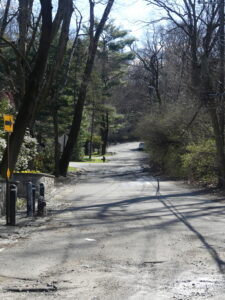
Nobody coming to Riverdale would normally go out of their way to travel on Spaulding Lane. In fact, I doubt most residents even know where it is. So I will take you there. Go north on Palisade Avenue along Riverdale Park. The road does not end but makes a sharp right and goes up a steep hill where it turns again, this time to the left, at Independence Av. That one-block steep hill is Spaulding Lane.
Spaulding Lane in Riverdale, NY - S. Jeselsohn
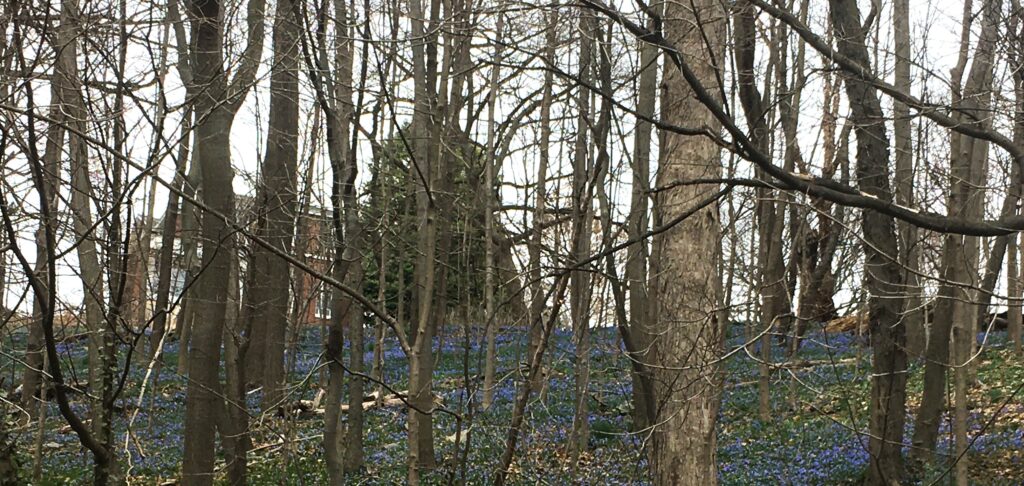
Covered in Blue Flowers- S. Jeselsohn
The lower part of Spaulding Lane is home to the River Campus of Riverdale Country School, serving children from pre-K through fifth grade. Moving upward is a hill covered probably since February in a carpet of blue.
A Spring Ephemeral
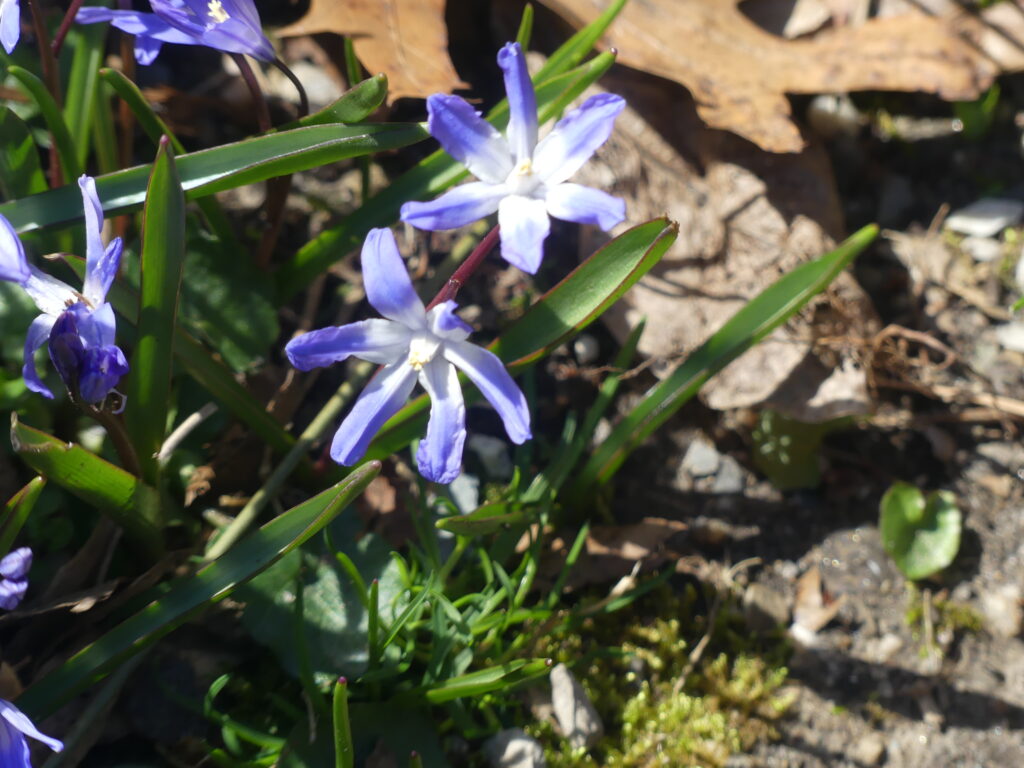
This striking scene is created by masses of Chionodoxa forbeseii – a spring blooming bulb whose common name is Glory-of-the Snow. This is an exact translation of the scientific name since chion is Greek for snow and doxa means glory. The name derives from their early blooming so that sometimes they poke up through the snow. Formerly known as Chionodoxa luciliae, it was named by the botanist Pierre Edmond Boissier in honor of his wife Lucille. We met Boissier numerous times as the namer of plants in pre-Israel in honor of the city of Jerusalem – Hierosolyma.
Individual Chionodoxa - S. Jeselsohn
Naturalizing
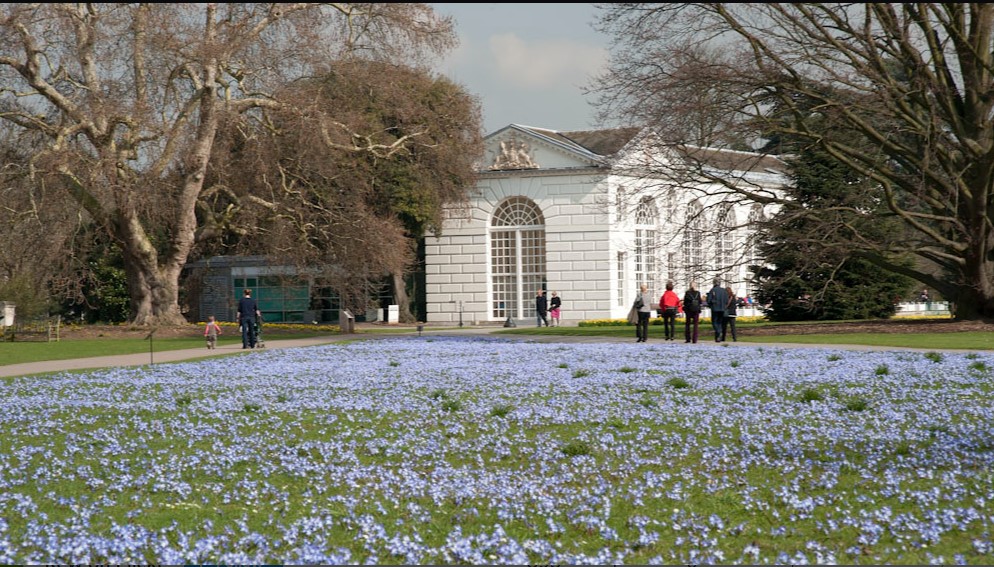
Covered Lawn - Courtesy of Kew
Chionodoxa has several additional wonderful qualities in addition to early bloom time. It naturalizes well in a well-drained location needing full to partial sun. Naturalizing means that it will reproduce by producing baby bulblets and will spread on their own creating this wonderful carpet. Chionodoxa also produces seed and can self sow. If you are careful about mowing, raising the mower blades, Chionodoxa can naturalize in a lawn until bloom time is over.
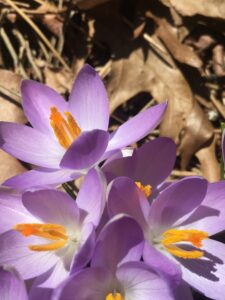
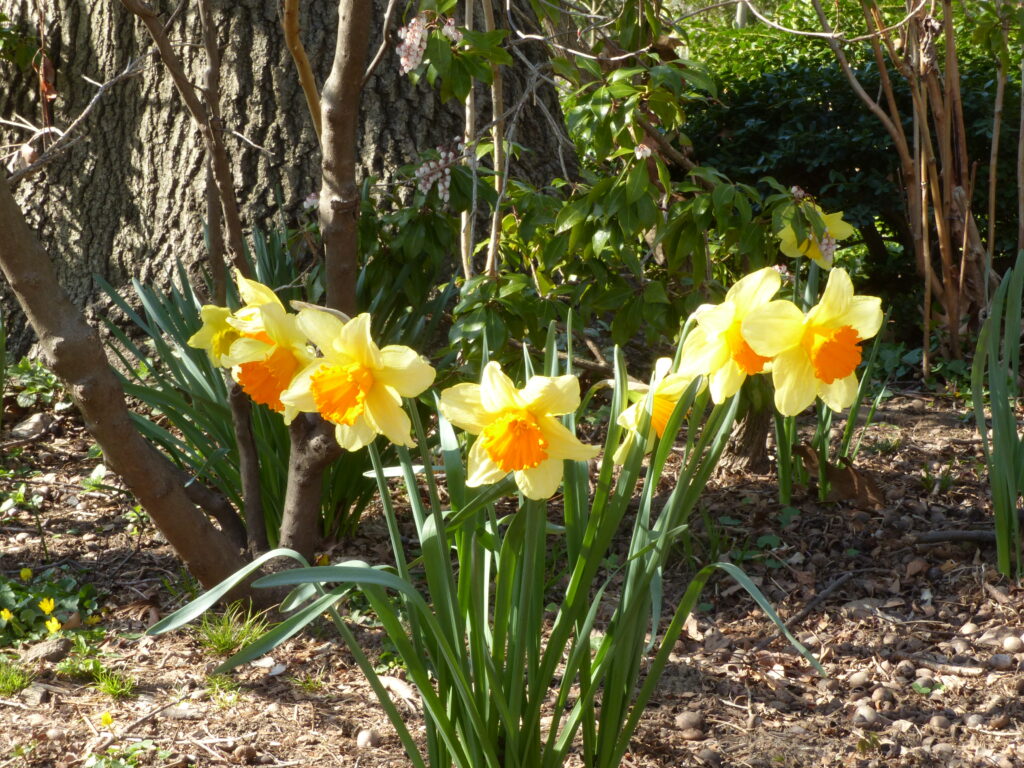
There are many other bulbs that naturalize including daffodils and crocuses.
Crocuses- S. Jeselsohn
Daffodils - S. Jeselsohn
Plants Can Be Unfriendly Also
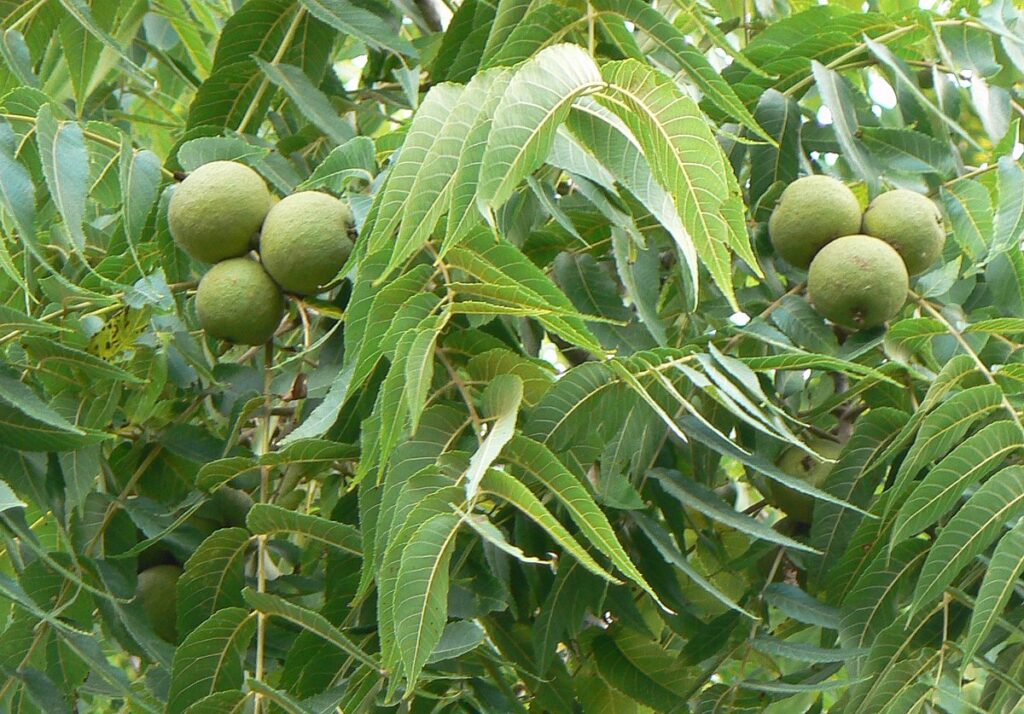
Because deciduous trees have not leafed out during the Chionodoxa blooming period, they can happily grow under deciduous trees. Another bonus is that they are insensitive to juglone, a chemical produced by many species of the walnut family, Juglandaceae. This compound found in the walnut husks, buds and roots and stunts the growth of many, although not all, plants. This process is known as allelopathy.
Black Walnut - Wikipedia
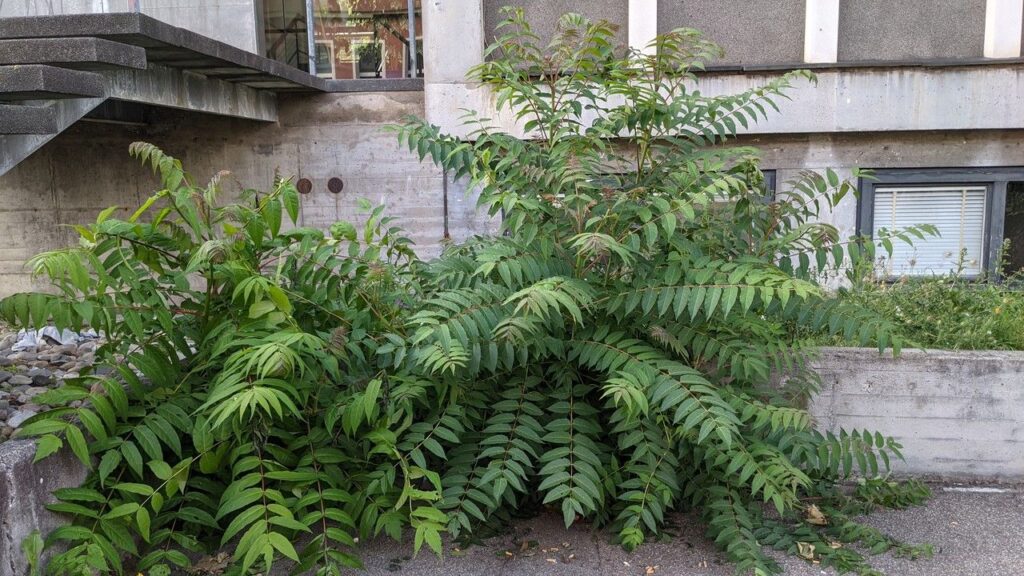
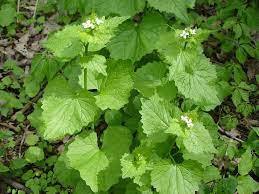
Other plants that exhibit this property of allelopathy such as the Tree of Heaven (Ailanthus altisimma) and the widespread and highly invasive garlic mustard (Alliaria petiolata). The latter was actually imported from Europe in the 1800s partially for erosion control.
Ailanthus altissima - Courtesy BS Plantnet.org
Garlic Mustard -hspauldi
Next year I hope to visit the Riverdale hillside in mid-February for a truly uplifting show as we again look forward to spring.
It does make for a very nice walk. Most of the year! Thank you.